Fabric Shampoo: When to Use It and How to Get the Best Results
When people think about cleaning upholstery, they often reach for a spot cleaner or a spray-on fabric cleaner. While these products are excellent for tackling individual stains and everyday maintenance, there are times when a deeper clean is needed. That's where fabric shampoo comes into its own.
Understanding when to use fabric shampoo—and how to use it correctly—can help keep sofas, armchairs, dining chairs and cushion covers looking fresher for longer.
What Is Fabric Shampoo?
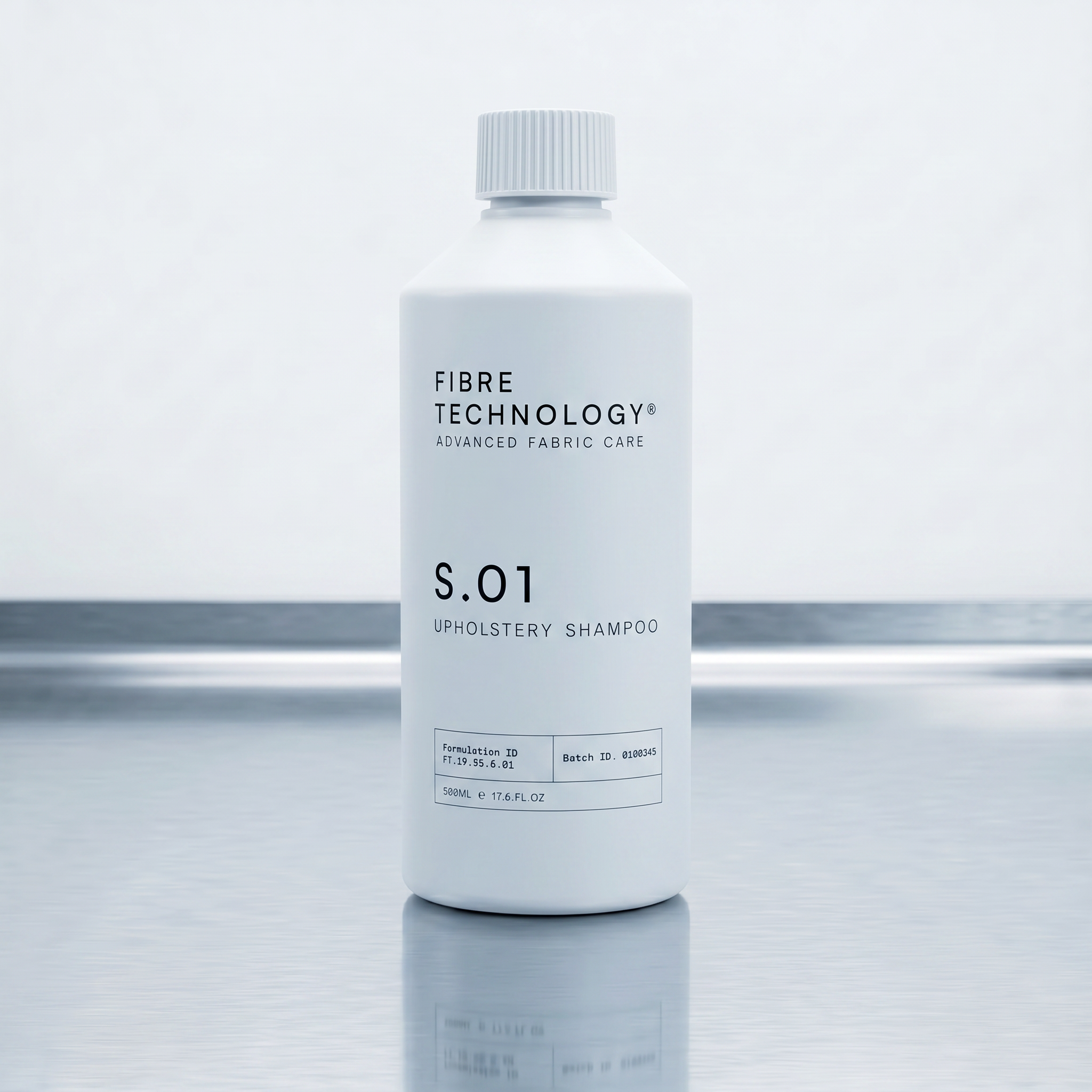
Fabric shampoo is a specialist cleaning product designed to clean textile fibres more thoroughly than a quick surface treatment.
Unlike a spot cleaner, which targets individual marks, a shampoo is intended to clean larger areas of fabric, lifting embedded dirt, body oils, pet residue and everyday soiling from deep within the fibres.
This makes it particularly useful for:
- Annual deep cleaning
- High-traffic seating areas
- Family homes with children or pets
- Refreshing upholstery that appears dull or tired
- Preparing fabrics before applying a fabric protector
When Should You Use Fabric Shampoo?
1. The Fabric Looks Dull
Over time, microscopic dirt particles build up within upholstery fibres. Even if there are no obvious stains, this soil can reduce colour vibrancy and leave fabrics looking flat.
A thorough shampoo helps restore the appearance of the fabric by removing accumulated contamination.
2. You Notice General Soiling
Arm rests, seat cushions and head rests often collect body oils, skin contact residue and airborne dirt.
If cleaning one small area simply makes the surrounding fabric look dirtier, it's usually a sign that the entire item would benefit from shampooing.
3. There Are Multiple Marks Across the Furniture
When stains are widespread, treating each one individually can become impractical.
A fabric shampoo allows you to clean the whole surface evenly, helping achieve a more uniform appearance.
4. The Upholstery Smells Tired
Odours can become trapped within the fibres over time.
While dedicated odour-control products are often the best solution for persistent smells, shampooing removes much of the soil and residue that contributes to unwanted odours.
When Not to Use Fabric Shampoo
Fabric shampoo is not always the right tool for the job.
You may be better using a specialist spot cleaner when:
- Dealing with a single fresh stain
- Cleaning delicate fabrics that require dry-cleaning methods
- Treating a small spill that has only affected one area
- Working on fabrics that are not suitable for wet cleaning
Always check the manufacturer's care instructions before cleaning.
How to Use Fabric Shampoo
Step 1: Vacuum Thoroughly
Before introducing any moisture, remove loose dust, grit and debris.
Vacuuming first prevents dirt from turning into muddy residue during cleaning.
Pay particular attention to:
- Crevices
- Cushion seams
- Arm rests
- Areas beneath cushions
Step 2: Test in an Inconspicuous Area
Even quality upholstery fabrics can vary in construction and dye stability.
Always test the shampoo on a hidden area and allow it to dry fully before proceeding.
Step 3: Apply the Shampoo
Apply according to the product instructions.
The goal is to clean the fibres—not soak the furniture.
Work methodically across the surface, cleaning manageable sections at a time.
Step 4: Agitate Gently
A soft upholstery brush or microfibre cloth can help distribute the shampoo and loosen embedded soil.
Avoid aggressive scrubbing, particularly on delicate fabrics such as wool, tweed, chenille or velvet.
Step 5: Remove Residue
Depending on the cleaning method, remove loosened soil using:
- Clean microfibre cloths
- An upholstery extraction machine
- A damp cloth for rinse wiping
Removing residue is important for achieving the best finish.
Step 6: Allow to Dry Fully
Ensure adequate ventilation and allow the upholstery to dry completely before regular use.
Opening windows, increasing airflow or using a fan can help accelerate drying.
Can You Use Fabric Shampoo on Wool Upholstery?
Wool upholstery deserves special consideration.
Premium fabrics such as tweed, wool blends and heritage upholstery fabrics are naturally resilient, but they can be sensitive to overly aggressive cleaning methods.
When shampooing wool:
- Use products designed for delicate fibres
- Avoid excessive wetting
- Use gentle agitation only
- Allow thorough drying
- Test first in a hidden area
For valuable wool furniture, less is often more.
Fabric Shampoo vs Spot Cleaner
Both products have their place in a fabric care routine.
| Fabric Shampoo | Spot Cleaner |
|---|---|
| Cleans large areas | Targets individual stains |
| Ideal for deep cleaning | Ideal for quick treatment |
| Removes general soiling | Removes specific marks |
| Refreshes overall appearance | Addresses isolated incidents |
| Usually used less frequently | Used as required |
Many homeowners find that combining the two approaches produces the best results: a spot cleaner for accidents and a fabric shampoo for periodic deep cleaning.
Keeping Upholstery Looking Its Best
Regular maintenance can dramatically extend the life and appearance of upholstered furniture.
A simple routine of:
- Frequent vacuuming
- Prompt stain removal
- Periodic shampooing
- Fabric protection treatments
can help preserve both the appearance and comfort of your furniture for years to come.
At Fibre Technology, we believe that proper maintenance is often the difference between furniture that looks tired after a few years and furniture that continues to look exceptional for decades.