How to Clean Wool Upholstery Without Damaging It
Wool upholstery is prized for its warmth, durability and natural beauty. Whether it's a traditional Harris Tweed sofa, a contemporary wool armchair, or wool-blend cushions, these fabrics can last for decades when properly cared for.
Unfortunately, many household cleaning products are designed for synthetic fabrics and can be far too aggressive for wool. Using the wrong cleaner can strip natural oils, cause fibre damage, or leave unsightly water marks behind.
The good news is that wool is naturally resilient and, with the right approach, most everyday dirt and spills can be dealt with safely.
Why Wool Requires Special Care
Wool fibres differ significantly from synthetic upholstery materials. Each fibre contains a complex protein structure covered by microscopic scales. This structure gives wool many of its desirable characteristics, including durability, insulation and stain resistance.
However, it also means wool can be sensitive to:
- High alkalinity
- Harsh detergents
- Excessive moisture
- Aggressive scrubbing
- Strong solvents
Cleaning wool successfully is often about using the least aggressive method capable of removing the contamination.
Regular Maintenance
The easiest stain to remove is the one that never develops.
For routine care:
- Vacuum weekly using an upholstery attachment
- Remove dust from seams and crevices
- Address spills immediately
- Rotate cushions where possible
- Keep furniture away from prolonged direct sunlight
Regular vacuuming prevents abrasive dirt particles from becoming embedded within the fibres and causing premature wear.
Dealing with Spills
When a spill occurs, speed matters.
First, blot the affected area using a clean, absorbent cloth or paper towel. Avoid rubbing, as this can push contamination deeper into the fabric and distort the wool fibres.
Work from the outside of the spill toward the centre to prevent spreading.
For liquid spills such as tea, coffee or soft drinks, continue blotting until no further moisture transfers to the cloth.
Removing Stains from Wool Upholstery
Different stains require different approaches, but the general principles remain the same:
- Remove excess contamination.
- Test any cleaning product in an inconspicuous area.
- Apply cleaner sparingly.
- Blot rather than scrub.
- Allow the fabric to dry naturally.
Over-wetting is one of the most common causes of cleaning problems on wool fabrics. Applying excessive moisture can lead to water marks, prolonged drying times and unwanted texture changes.
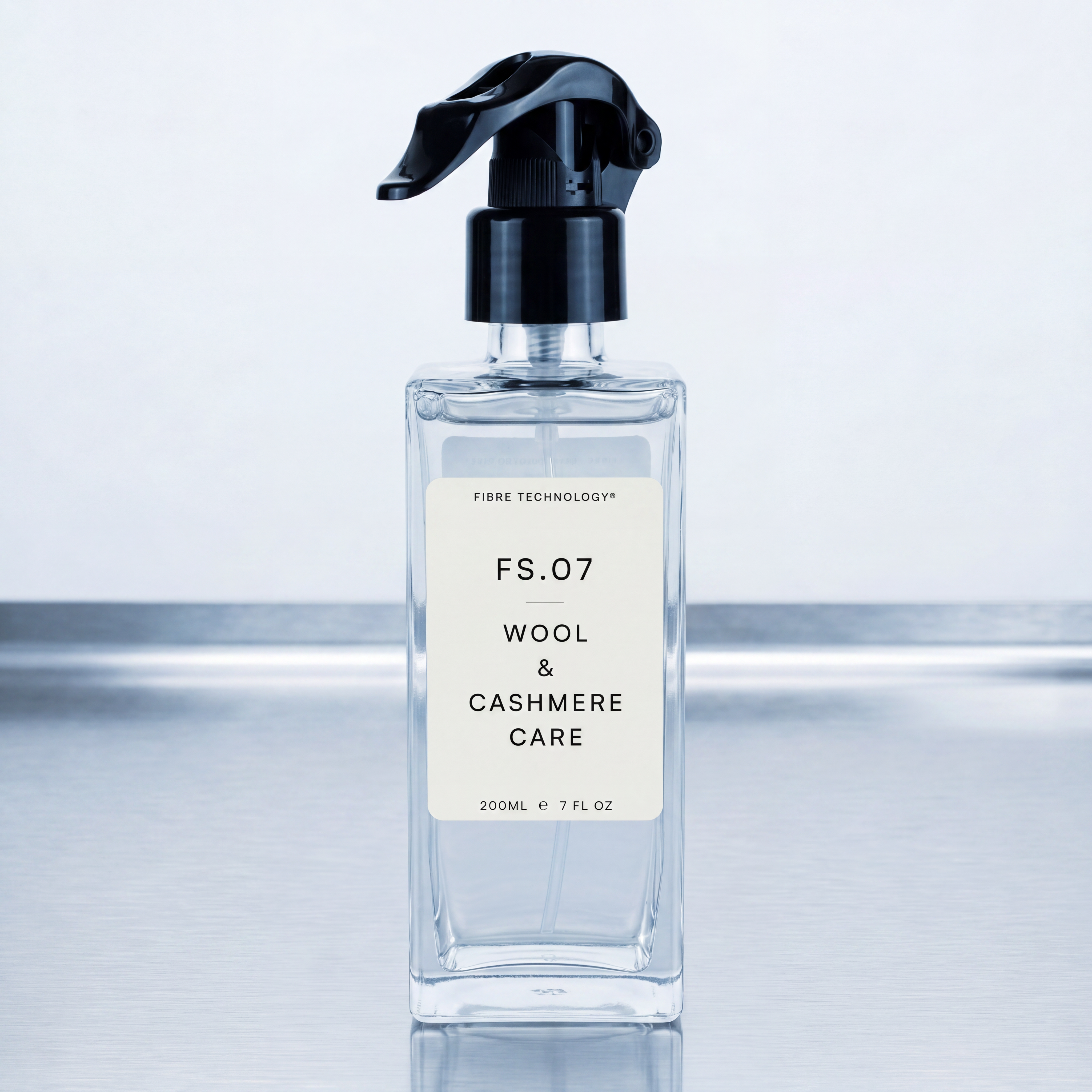
A specialist wool cleaner is often preferable to general-purpose upholstery products, as it is designed to clean effectively while respecting the delicate structure of wool fibres.
What About Harris Tweed?
Harris Tweed is one of the most recognisable wool fabrics in the world. Handwoven in the Outer Hebrides using pure virgin wool, it is renowned for its character, texture and longevity.
Despite its robust appearance, Harris Tweed still benefits from careful cleaning techniques.
Avoid aggressive stain removers, bleach-based products and highly alkaline cleaners. Gentle cleaning combined with prompt stain treatment will help preserve both colour and texture for years to come.
Common Mistakes to Avoid
When cleaning wool upholstery, avoid:
- Bleach or oxidising cleaners
- Strong alkaline detergents
- Saturating the fabric with water
- Hard scrubbing with brushes
- Applying heat to speed drying
These mistakes can cause irreversible fibre damage and may permanently affect the appearance of the upholstery.
The Fibre Technology Approach
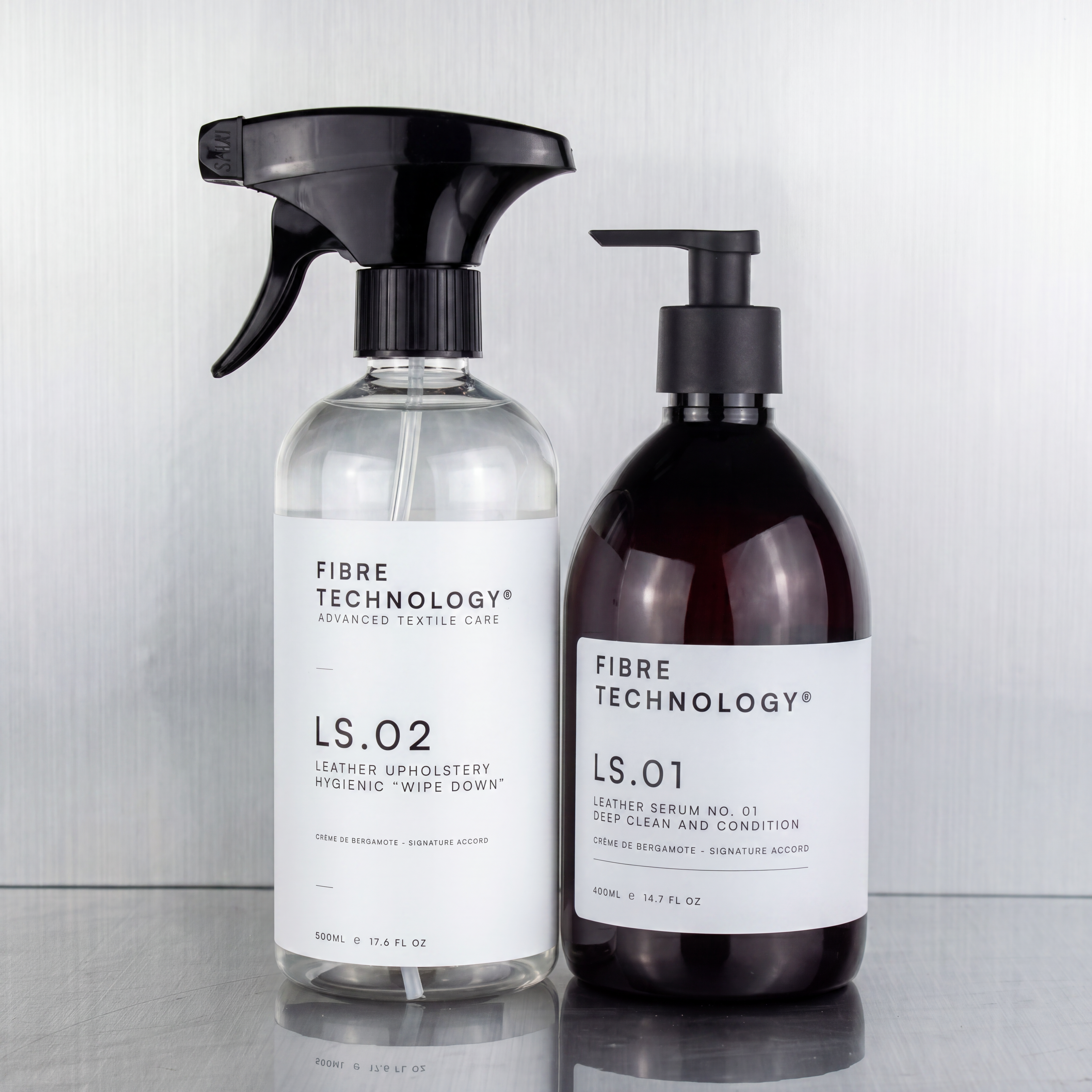
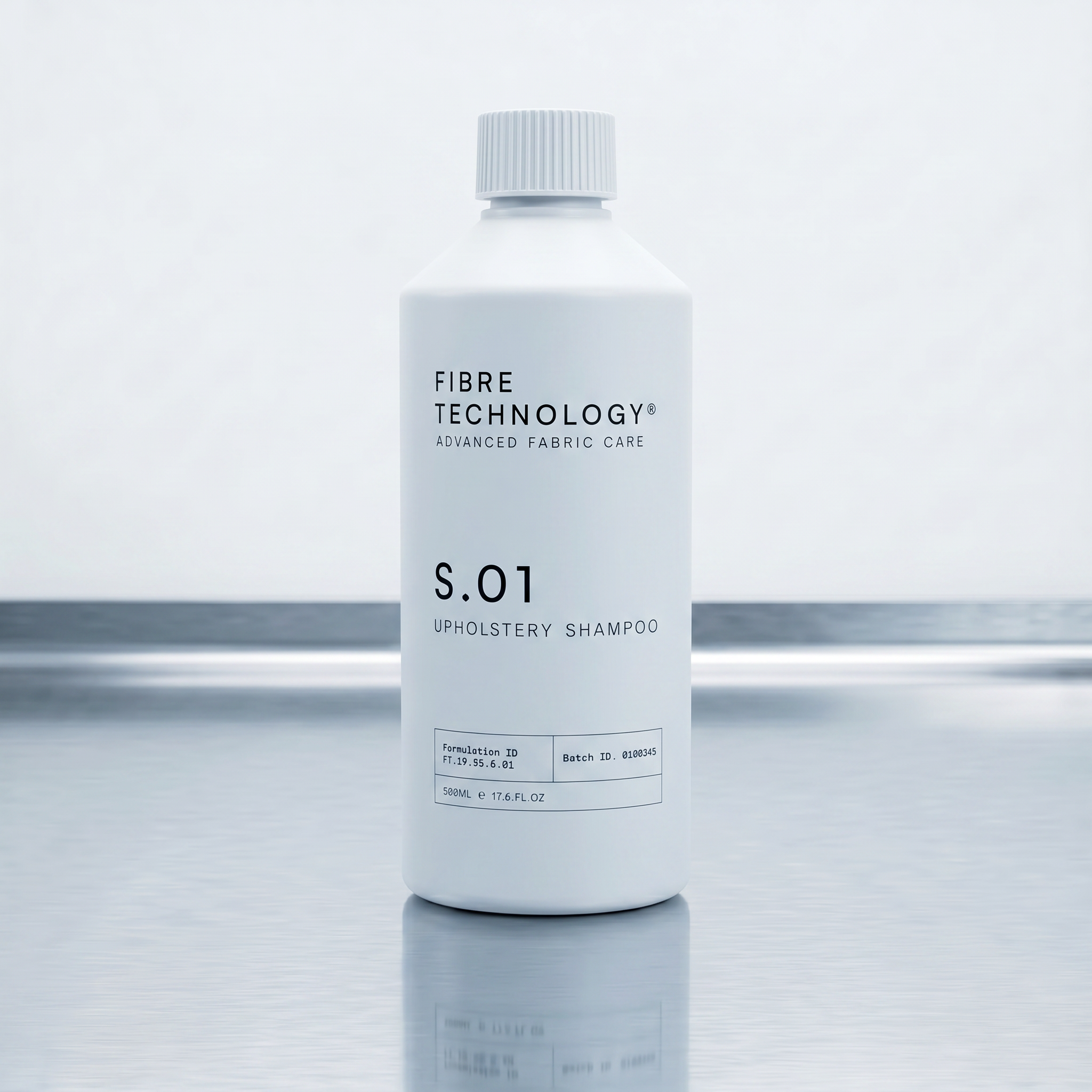
At Fibre Technology, we believe delicate fabrics deserve specialist care.
Our cleaning products are developed with real-world upholstery cleaning challenges in mind, combining effective stain removal with fibre-conscious chemistry. Rather than relying solely on aggressive detergents, we focus on balanced formulations that help lift contamination while respecting the materials being cleaned.
The result is effective cleaning without compromising the appearance, feel or longevity of your upholstery.
Final Thoughts
Wool upholstery is an investment worth protecting. With regular maintenance, prompt attention to spills and the use of appropriate cleaning products, wool and tweed furnishings can remain beautiful for many years.
A careful approach will always outperform aggressive cleaning, particularly when working with premium fabrics such as Harris Tweed and other high-quality wool upholstery.